How Children’s Stories Teach Confidence, Kindness, and Teamwork

Written by Linda Herron
Some of the most important lessons children learn begin with a simple phrase:
“Once upon a time…”
A good story can take children to a field hockey game, a campsite under the stars, a new classroom, or a home welcoming a new puppy. Along the way, children meet characters who try unfamiliar things, make mistakes, help one another, and discover what makes each person special.
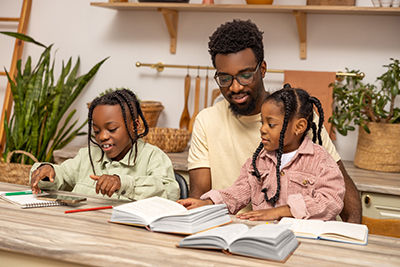
Children may think they are simply enjoying an adventure. As they turn the pages, children’s stories teach confidence, kindness, teamwork, responsibility, and courage through characters and experiences young readers can understand.
That is the heart of the Twins Mac & Madi book series.
Mac and Madi are identical twins. They may look alike, but they do not always think alike, feel alike, or enjoy the same things. Through sports, family experiences, animals, and outdoor adventures, the twins learn that being different is something to celebrate.
Their stories remind young readers that they do not have to be exactly like anyone else to belong.
Children Learn Important Life Lessons Through Stories
Children’s stories create a safe place to experience real emotions and everyday challenges.
A character might feel nervous about joining a team, frustrated while learning a new skill, or uncertain about an unfamiliar experience. As children follow the character’s journey, they begin to understand that those feelings are normal.
They also discover what can happen next.
The character can ask for help. She can take a deep breath and try again. She can encourage a teammate, apologize for a mistake, or find another way to solve a problem.
These moments help children develop language for their own experiences. A child who has never played field hockey can still understand what it feels like to be the newest person on a team. A child who does not have a puppy can still recognize the patience and responsibility involved in caring for someone else.
Stories allow children to practice life lessons before they encounter them in their own lives. The American Academy of Pediatrics explains that reading books about feelings can help children recognize their emotions and develop empathy for how other people may feel.

How Children’s Stories Teach Confidence
Confidence does not mean believing that everything will be easy. It means trusting that you can learn, grow, and keep trying.
Children build confidence one experience at a time. They answer a question in class, try a new sport, make a new friend, or complete a task that once felt difficult. Each small success teaches them, “I can do this.”
Stories reinforce that message.
When children see Mac and Madi enter a new situation, they can follow the twins through the entire experience. They see the uncertainty at the beginning, the effort in the middle, and the growth that comes from continuing.
The twins do not need to be perfect to move forward. They only need to be willing to learn.
That is an important lesson for every child. Confidence often begins before a child knows exactly what to do. It starts with the courage to take the first step.
Characters Can Teach Kindness and Empathy
Children learn kindness from how people treat them, but they also learn by watching how others are treated.
Stories invite children to consider someone else’s feelings. They begin asking thoughtful questions:
How did that character feel?
Why did she make that choice?
What could her friend do to help?
What would I do in that situation?
These questions build empathy. They help children understand that another person may have different feelings, needs, or ideas.
Mac and Madi share a special bond as twins, but that does not mean they always agree. They must learn to listen to each other, respect their differences, and recognize when one sister may need encouragement.
Kindness does not require two people to be the same. It asks them to care about each other even when they are different.
Sports Stories Introduce Teamwork and Sportsmanship
Sports give children wonderful opportunities to move, make friends, learn skills, and become part of a team. They also introduce lessons that extend far beyond the scoreboard.
A team needs players who are willing to listen, cooperate, and support one another. Not every player will score the winning goal or make the final play. Every player, however, can contribute through effort, encouragement, and respect.
In Twins Mac & Madi Play Field Hockey, young readers enter the world of field hockey with the twins. The story creates an opportunity to talk about learning a sport, working with teammates, and enjoying the experience of playing.

Sports stories can also help children understand good sportsmanship, including the importance of effort, emotional control, and positive communication. Winning can be exciting, but the way an athlete treats teammates, coaches, officials, and opponents matters in every game.
Children can learn to celebrate a victory with humility and face a loss with courage. They can learn to shake hands, follow the rules, encourage a teammate, and return to practice ready to improve.
Those lessons stay with children long after the game ends.
Children Need Characters Who Celebrate Their Differences
Mac and Madi are identical twins, but each sister is her own person.
This distinction is central to their world. Children are often compared with siblings, classmates, teammates, or friends. Those comparisons can make them wonder whether they are good enough or whether they should be more like someone else.
Stories can offer a different message.
One child may love running across a sports field while another prefers reading beneath a tree. One may speak up quickly while another takes time to think. One may feel comfortable trying something new, while another needs extra encouragement.
These differences do not make any child superior to another.
Every child brings a unique combination of interests, abilities, feelings, and dreams. When children see characters whose differences are accepted and celebrated, they receive permission to appreciate their own individuality.
Mac and Madi remind young readers that two people can share a close relationship without sharing every preference. They can cheer for each other without competing over who is best. They can grow together without becoming the same.
Family Adventures Encourage Children to Grow
Not every important lesson happens at school or on a sports field. Many lessons grow from ordinary family experiences.
A camping trip, like the adventure in Twins Mac & Madi Go Camping, can encourage children to explore unfamiliar surroundings. Twins Mac & Madi’s Big Sister introduces the emotions and responsibilities that can come with welcoming a new family member. In Twins Mac & Madi’s Puppy Tale, caring for a puppy opens conversations about patience, teamwork, and commitment.

These experiences may feel exciting and a little uncertain at the same time.
That combination gives children room to grow.
The Twins Mac & Madi series uses familiar childhood adventures to explore meaningful ideas. The twins may be learning how to play a game, care for a puppy, welcome a new family member, or enjoy the outdoors, but beneath every adventure is a larger lesson.
Children learn that courage can be quiet. Responsibility grows through everyday choices. Families can work through change together. New experiences become less frightening when someone supportive is by your side.
How Parents Can Extend the Story at Home
A book does not have to end when the final page is turned.
Parents and caregivers can help children connect the story to their own lives by asking open-ended questions:
Which character did you understand the most?
What was your favorite part of the adventure?
Did anything in the story feel difficult?
What did Mac and Madi learn?
What would you have done?
What would you like to try someday?
There are no perfect answers. The goal is to create a comfortable conversation in which children can share their thoughts.
Parents can also connect a book to an activity. After reading a sports story, a family might try passing a ball in the backyard. A camping story could inspire a nature walk. A puppy story might lead to a conversation about the daily responsibilities involved in caring for an animal.
Reading becomes even more meaningful when children can carry the lesson into their own world.
How Teachers and Coaches Can Use Stories
Teachers can use children’s books to introduce classroom conversations about feelings, cooperation, differences, and problem-solving. A story can become a writing prompt, a group discussion, an art activity, or an opportunity for children to describe a time when they tried something new.
Coaches can use stories to help young athletes understand the values behind the game. Before or after practice, they can ask children what it means to be a supportive teammate, how to respond to a mistake, or why every player deserves respect.
The lesson does not need to be long. A thoughtful question can stay with a child throughout an entire season.
When parents, teachers, and coaches reinforce similar values, children receive a consistent message: effort matters, kindness matters, and every child belongs.
Growing With Twins Mac & Madi
Childhood is filled with firsts—the first team, the first camping trip, the first puppy, the first big responsibility, and the first moment a child realizes, “I can do this.”
Twins Mac & Madi celebrate those moments.
Through sports, family, friendship, and adventure, Mac and Madi help children explore the world while learning to believe in themselves. Their experiences encourage young readers to try new things, care about others, work as a team, and appreciate what makes every person unique.
The twins may look alike, but their adventures show us something important:
Even similarities have differences.
Explore the Twins Mac & Madi children’s book series and share stories that encourage young readers to dream, discover, and grow—one adventure at a time.
About the Author
Linda Herron is an identical twin, former Division I athlete, and the author of the nine-book Twins Mac & Madi children’s series. Inspired by her own experiences growing up as a twin, Linda creates heartwarming adventures that encourage children to celebrate their individuality, try new things, and grow through family, friendship, and sports. Through Mac and Madi’s stories, she reminds every young reader that even similarities have differences.
Discover more adventures with Mac and Madi by exploring the complete Twins Mac & Madi book series.